Risorse
Un approccio diverso: perché la soluzione al problema della sicurezza dei browser non è un nuovo browser
Di Sarang Warudkar - Responsabile tecnico senior PMM
17 giugno 2026 4 minuti di lettura
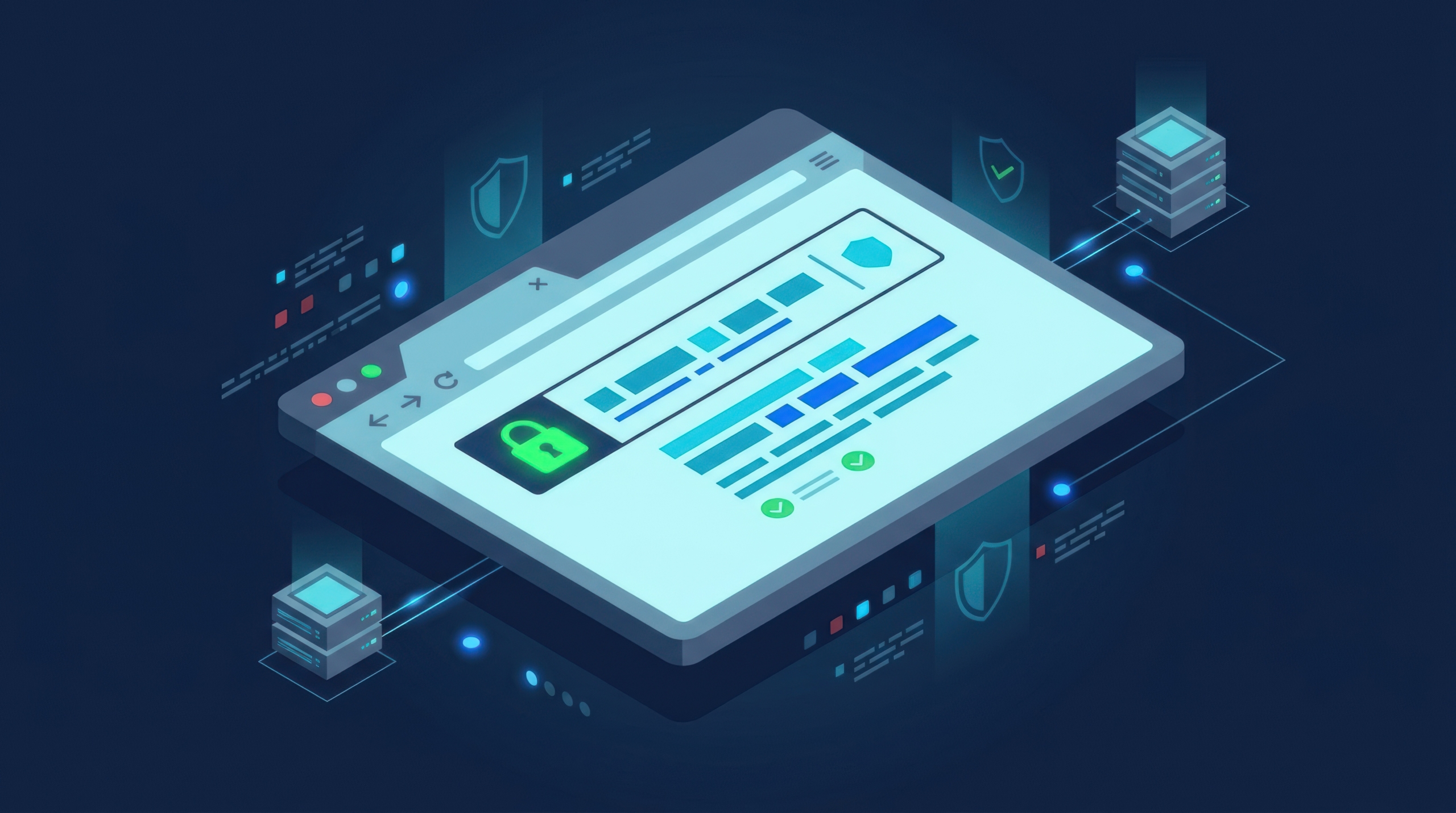
L’IA generativa e le moderne piattaforme di messaggistica non hanno creato un problema legato al browser. Hanno creato un problema di sicurezza di rete. ChatGPT, Microsoft Copilot, Google Gemini e strumenti come Microsoft Teams Web utilizzano connessioni browser persistenti che operano al di sotto del livello di ispezione delle tradizionali infrastrutture di sicurezza di rete. I dati che transitano attraverso tali connessioni risultano invisibili agli strumenti che la vostra organizzazione ha utilizzato finora per gestirli.
È nel browser che deve essere integrata la protezione. E ora esiste un modo davvero nuovo per farlo.
I team di sicurezza che stanno valutando come colmare questa lacuna hanno a disposizione tre opzioni architetturali. Due di esse sono disponibili da anni ed entrambe presentano dei compromessi che ne limitano la portata pratica. La terza è più recente, è stata progettata appositamente per risolvere questo problema e garantisce gli stessi risultati in termini di sicurezza delle prime due senza i relativi costi operativi.
Approccio 1: Il browser aziendale
Un browser aziendale sicuro sostituisce il browser attualmente utilizzato dai dipendenti con un’alternativa incentrata sulla sicurezza che garantisce visibilità durante la sessione, applicazione delle politiche e controllo centralizzato.
La sfida principale è l’adozione. I dipendenti si affidano a browser consolidati per le credenziali, i segnalibri, le estensioni e i flussi di lavoro quotidiani. Le difficoltà legate alla migrazione spesso inducono gli utenti a tornare al proprio browser preferito, creando lacune nella copertura.
I costi e la complessità operativa aggiungono ulteriori ostacoli. I browser aziendali richiedono la gestione dei dispositivi, la pianificazione dell’implementazione e una manutenzione continua. L’implementazione su dispositivi gestiti, endpoint BYOD e sistemi di appaltatori richiede solitamente mesi per essere completata.
La copertura rimane difficile sui dispositivi non gestiti. Spesso non è possibile imporre l’installazione di software aziendale sui sistemi di proprietà dei dipendenti o dei collaboratori esterni, lasciando così una parte della forza lavoro al di fuori del quadro di sicurezza del browser.
Approccio 2: Infrastruttura di desktop virtuali e Remote Browser Isolation
VDI e RBI garantiscono la sicurezza delle attività del browser eseguendo le sessioni in remoto. VDI trasmette in streaming un desktop remoto, mentre RBI isola le sessioni del browser all’interno di container remoti.
Questi approcci impediscono efficacemente al malware basato su browser di raggiungere gli endpoint. Tuttavia, comportano anche un sovraccarico dell’infrastruttura, latenza e costi più elevati per utente legati alle risorse di elaborazione remote.
Il limite più rilevante è rappresentato dalla governance comportamentale. Gli utenti all’interno di sessioni isolate possono comunque copiare dati, stampare pagine sensibili, caricare file su strumenti di intelligenza artificiale o inviare informazioni riservate, a meno che non vengano applicati ulteriori controlli basati su criteri di sicurezza.
Le soluzioni VDI e RBI si prestano bene ai casi d’uso relativi all’isolamento degli endpoint. Offrono tuttavia un controllo minore sulle azioni degli utenti all’interno delle sessioni del browser contenenti dati sensibili.
Approccio 3: Controlli di sessione in linea senza agenti (il nuovo metodo, più efficace)
I controlli delle sessioni in linea senza agenti consentono di gestire le sessioni del browser senza dover sostituire il browser stesso, senza agenti sugli endpoint e senza complessità di implementazione.
Le politiche vengono applicate direttamente all’interno delle sessioni attive del browser su Chrome, Edge, Firefox e Safari. I dipendenti continuano a utilizzare il proprio browser preferito, mentre i controlli di sicurezza operano in modo trasparente in background.
Le operazioni relative agli appunti, il caricamento di file, i prompt dell’IA, i download e le attività di stampa vengono monitorati e gestiti in tempo reale. I dati sensibili possono essere bloccati prima che raggiungano modelli di IA esterni, mentre controlli quali la filigranatura digitale contribuiscono a proteggere i contenuti visualizzati sullo schermo. La copertura si estende automaticamente ai dispositivi gestiti, ai dispositivi BYOD e ai sistemi dei collaboratori esterni.
L’implementazione sfrutta l’infrastruttura SSE esistente e può essere completata in pochi minuti. Le organizzazioni evitano migrazioni dei browser, lunghi programmi di implementazione e lacune nella copertura. Fin dal primo giorno, le sessioni browser su tutti i dispositivi sono protette.
Ciò garantisce risultati in termini di sicurezza dei browser aziendali senza alterare l'esperienza di navigazione esistente.
Scegliere l'approccio più adatto al proprio ambiente
Ciascun approccio risolve un problema diverso. La scelta più appropriata dipende dal vostro organico, dal modello di minaccia e dai vincoli operativi.
- Browser aziendali
I browser aziendali sono particolarmente indicati per ambienti altamente controllati, in cui l’organizzazione possiede e gestisce ogni endpoint, può imporre l’utilizzo del browser ed è disposta a sacrificare lo sforzo di implementazione a favore di un controllo più approfondito a livello di browser. Questo modello è spesso adatto a piccoli gruppi di utenti privilegiati, postazioni di lavoro soggette a normative rigorose o organizzazioni con requisiti rigorosi in materia di standardizzazione degli endpoint.
- VDI e RBI
L’infrastruttura desktop virtuale (VDI) e Remote Browser Isolation RBI) sono progettate per scenari in cui l’obiettivo primario è impedire che i contenuti web raggiungano l’endpoint. Queste architetture possono rivelarsi utili in ambienti di navigazione ad alto rischio, in operazioni esternalizzate che gestiscono siti web non attendibili e in casi d’uso specifici che richiedono un forte isolamento. Possono inoltre essere combinate con i controlli delle sessioni del browser quando è richiesta una governance a livello di sessione.
- Controlli del browser in linea
Per la maggior parte delle aziende, i controlli integrati nel browser garantiscono la copertura più ampia con il minimo impatto operativo. Le politiche di sicurezza vengono applicate direttamente all’interno delle sessioni del browser su tutti i dispositivi gestiti, gli utenti BYOD, i collaboratori esterni e i partner terzi, senza richiedere la sostituzione del browser, l’installazione di un agente sull’endpoint o la migrazione degli utenti.
Quale approccio si adatta meglio al vostro ambiente?
Per la maggior parte delle organizzazioni, i controlli delle sessioni in linea senza agenti offrono il miglior equilibrio tra copertura, velocità e semplicità operativa. Colmano immediatamente le lacune relative all’intelligenza artificiale e all’esposizione dei dati durante le sessioni, si estendono per loro natura ai dispositivi BYOD e a quelli dei collaboratori esterni e non comportano alcun onere di migrazione per un team di sicurezza che deve già gestire priorità concorrenti.
Questo approccio risulta particolarmente efficace quando l'obiettivo principale è quello di controllare il comportamento dei dati sensibili all'interno delle sessioni del browser, inclusi i prompt dell'intelligenza artificiale, le operazioni relative agli appunti, il caricamento e il download di file, la stampa e l'accesso da dispositivi non gestiti.
Per le organizzazioni che desiderano ottenere risultati in termini di sicurezza dei browser aziendali senza dover ricorrere a migrazioni dei browser, a lunghi progetti di implementazione o a lacune nella copertura sui dispositivi non gestiti, i controlli integrati nei browser offrono spesso il compromesso più pratico tra sicurezza, esperienza utente e semplicità operativa.
La domanda che vale la pena porsi
La decisione non riguarda semplicemente quale approccio consenta di colmare il divario più rapidamente sin dal primo giorno, sebbene i tempi di attivazione siano importanti. La questione più rilevante è quale approccio garantisca il giusto equilibrio a lungo termine tra tre priorità contrastanti: l’efficacia della sicurezza, l’esperienza utente e il costo totale di proprietà dell’IT.
Un approccio che richiede una gestione continua della migrazione dei browser, un servizio di assistenza tecnica per gli errori di installazione e una manutenzione separata delle politiche comporta un onere operativo costante anche molto tempo dopo l’implementazione. Un approccio che i dipendenti aggirano ricrea proprio quella vulnerabilità che era stato concepito per eliminare. Un approccio che esclude i dispositivi BYOD e quelli dei collaboratori esterni lascia una lacuna strutturale, indipendentemente dal livello di copertura del parco dispositivi gestito.
L'obiettivo è garantire una copertura completa e sostenibile. Ciò significa disporre di un sistema di controllo che funzioni all'interno del browser già utilizzato dai dipendenti, su ogni tipo di dispositivo che acceda alle applicazioni aziendali, senza creare quel rallentamento operativo che induce i team di sicurezza a scendere a compromessi in termini di ambito di applicazione o di applicazione delle misure.
Desidera approfondire l'argomento? Richieda una demo personalizzata per il Suo ambiente SSE.
Sull'autore

Sarang Warudkar
Responsabile tecnico PMM
Sarang Warudkar è un esperto Product Marketing Manager con oltre 10 anni di esperienza nella cybersecurity, esperto nell'allineare l'innovazione tecnica alle esigenze del mercato. Ha maturato una profonda esperienza in soluzioni come CASB, DLP e rilevamento delle minacce basato sull'AI, guidando strategie go-to-market di grande impatto e il coinvolgimento dei clienti. Sarang ha conseguito un MBA presso l'IIM di Bangalore e una laurea in ingegneria presso l'Università di Pune, combinando intuizioni tecniche e strategiche.
Contenuti correlati
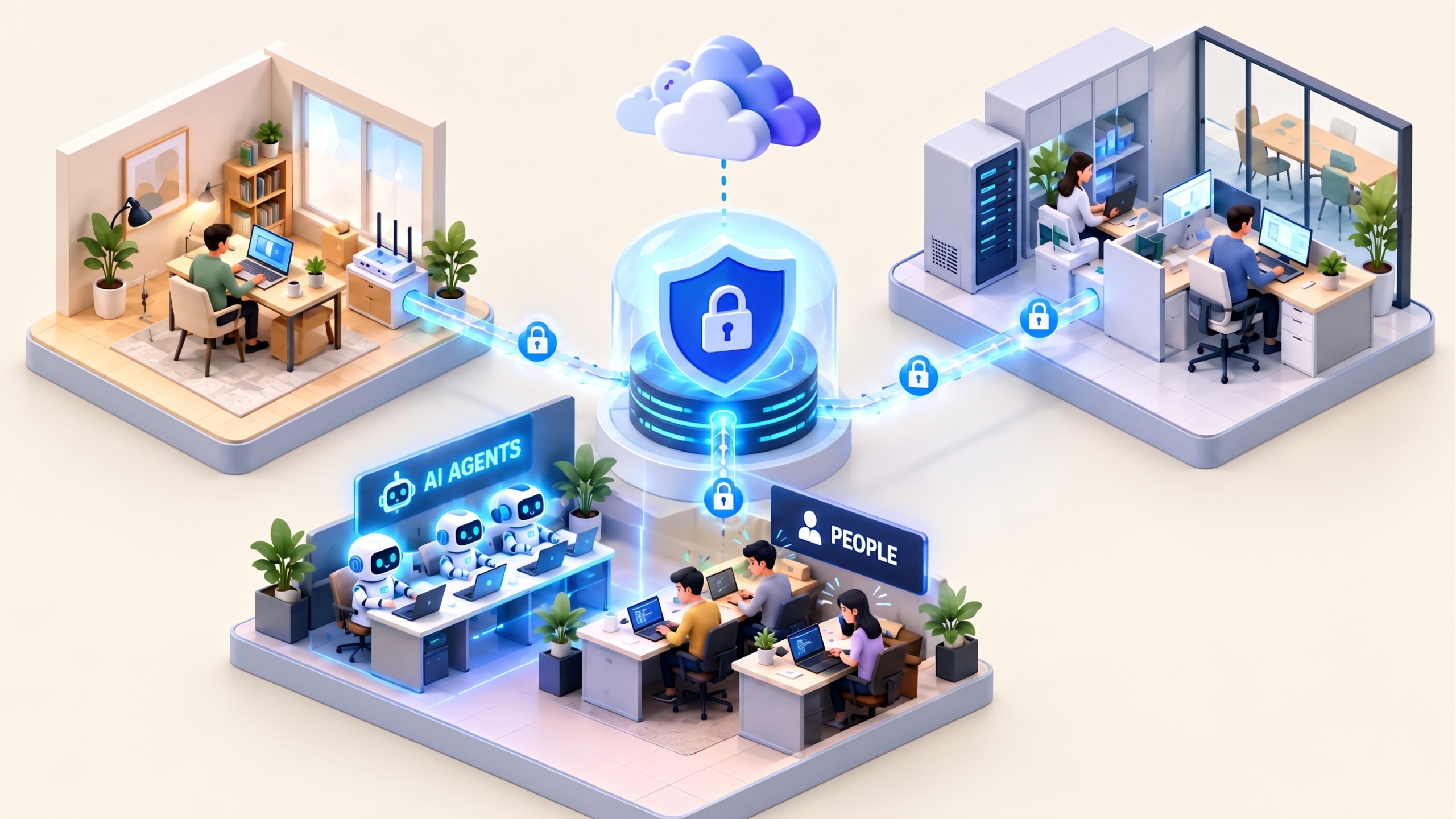

Securing the New Normal: Why Universal Zero Trust is Essential in the Age of AI

Blog di tendenza
Secure Where Work Happens: Stop Paying Cloud Rates for Local AI
Mike Smart October 16, 2026
Securing the New Normal: Why Universal Zero Trust is Essential in the Age of AI
Sriram Krishnamurthy September 30, 2026
Work is Hybrid. Why Are You Paying Double for a Cloud Tax on the Office?
Mike Smart September 24, 2026
We Can’t Stop the AI Race. We Can Make It Safer and More Secure.
Thyaga Vasudevan September 15, 2026
AI Is Changing Your Data Risk. DSPM Puts You Back in Control.
Megha Shukla September 4, 2026