




विनियमित उद्योगों के लिए ब्राउज़र अलगाव: स्वास्थ्य सेवा, वित्त और सरकार
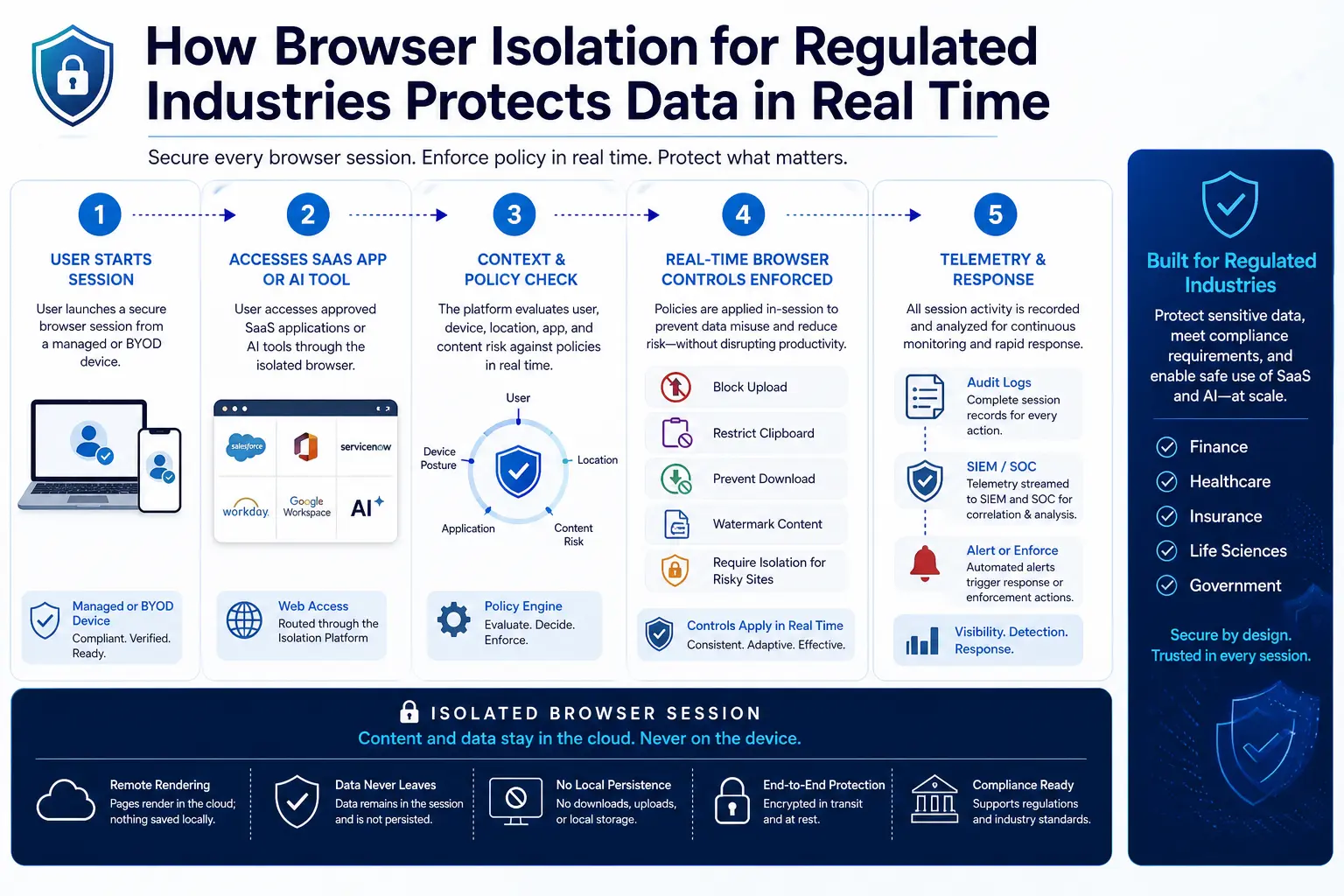
- ब्राउज़र आइसोलेशन स्थानीय डेटा अवशेष को समाप्त कर देता है। वेब सामग्री को दूरस्थ रूप से प्रस्तुत करके, कोई भी PHI, कार्डधारक डेटा या CUI स्थायी रूप से मौजूद नहीं रहता है।
- प्रस्तावित HIPAA सुरक्षा नियम अद्यतन तकनीकी सुरक्षा उपायों को अनिवार्य बनाता है, न कि उनमें सुधार करने की गुंजाइश।
- PCI DSS 4.0 के तहत अब उपभोक्ता ब्राउज़रों में निष्पादित होने वाली स्क्रिप्ट पर नियंत्रण अनिवार्य है।
- NIST SP 800 171 Rev 3 स्पष्ट रूप से CUI सुरक्षा के लिए एक वास्तुशिल्पीय दृष्टिकोण के रूप में अलगाव का समर्थन करता है।
- रक्षा विभाग का CBII कार्यक्रम संघीय स्तर पर ब्राउज़र अलगाव को मान्य करता है।
- अनुपालन मानचित्रण एक बार का अभ्यास नहीं है। प्रत्येक नियामक ढांचे के लिए निरंतर निगरानी, ऑडिट लॉगिंग और अन्य आवश्यक कार्य करने होते हैं।
- सबसे पहले उन ब्राउज़र परिदृश्यों से शुरुआत करें जिनमें जोखिम सबसे अधिक है, न कि सभी ब्राउज़रों पर एक साथ लागू करें।
विनियमित संगठनों को ब्राउज़र सुरक्षा समस्या के एक विशिष्ट संस्करण का सामना करना पड़ता है: उनके उपयोगकर्ताओं को अपना काम करने के लिए वेब एक्सेस की आवश्यकता होती है, लेकिन प्रत्येक अनियंत्रित ब्राउज़र सत्र विनियमित डेटा के लीक होने या खतरों के सिस्टम तक पहुंचने का एक संभावित मार्ग बनाता है। ब्राउज़र आइसोलेशन क्लाउड-आधारित वातावरण में वेब सामग्री को निष्पादित करके इस समस्या का समाधान करता है, ताकि कोई भी दुर्भावनापूर्ण कोड, कैश्ड डेटा या सत्र संबंधी अवशेष एंडपॉइंट तक न पहुंचें। स्वास्थ्य सेवा, वित्त और सरकारी टीमों के लिए, प्रश्न यह नहीं है कि आइसोलेशन सुरक्षा मूल्य बढ़ाता है या नहीं - बल्कि यह है कि इसे HIPAA, PCI DSS, NIST SP 800 171 और FedRAMP आवश्यकताओं के अनुरूप कैसे लागू किया जाए, साथ ही नैदानिक, व्यापारिक और मिशन कार्यप्रवाहों को भी संरक्षित रखा जाए।
यह गाइड तीनों नियामक परिवेशों में ब्राउज़र आइसोलेशन को लागू करने के लिए आवश्यक शर्तों, चरणबद्ध कार्यान्वयन, अनुपालन मानचित्रण, एकीकरण बिंदुओं, सफलता मापदंडों और सामान्य गलतियों के बारे में विस्तार से बताती है।
पूर्वापेक्षाएँ: तैनाती से पहले क्या-क्या तैयार रखना आवश्यक है
किसी विनियमित वातावरण में ब्राउज़र आइसोलेशन को लागू करने से पहले, तीन मूलभूत क्षमताओं का परिचालन में होना आवश्यक है - अन्यथा, आइसोलेशन एक महंगी परत बन जाती है जिसे लेखा परीक्षक नियंत्रणों से नहीं जोड़ सकते।
डेटा वर्गीकरण और सूचीकरण। आप उस डेटा को अलग नहीं कर सकते जिसका वर्गीकरण नहीं किया गया है। साझा नर्सिंग वर्कस्टेशनों पर आइसोलेशन लागू करने वाले अस्पताल को यह जानना आवश्यक है कि कौन से वर्कफ़्लो ईपीएचआई (रोगी पोर्टल तक पहुंच, प्रयोगशाला परिणामों की समीक्षा) से संबंधित हैं और कौन से प्रशासनिक (शिफ्ट शेड्यूल की जांच) हैं। बैंक के ट्रेडिंग डेस्क को आइसोलेशन नीतियों द्वारा शोध ब्राउज़िंग और भुगतान पृष्ठ एक्सेस के बीच अंतर करने से पहले कार्डधारक डेटा वातावरण का दायरा निर्धारित करना आवश्यक है। यदि आपने डेटा सूचीकरण पूरा नहीं किया है, तो ब्राउज़र आइसोलेशन से नीतिगत कमियां उत्पन्न होंगी जिन्हें लेखा परीक्षकों द्वारा पकड़ा जा सकेगा।
पहचान और पहुंच प्रबंधन एकीकरण। ब्राउज़र आइसोलेशन नीतियां उपयोगकर्ता की पहचान, उसके द्वारा उपयोग किए जा रहे डिवाइस और उसके द्वारा एक्सेस की जा रही सामग्री के आधार पर सक्रिय होनी चाहिए। इसका अर्थ है कि आपके IdP, डायरेक्टरी सेवाएं और डिवाइस पोस्चर जांच को आइसोलेशन नीति इंजन में शामिल किया जाना चाहिए। एक सरकारी ठेकेदार विश्लेषक पर विचार करें जो एक ही शिफ्ट के दौरान CUI से जुड़े OSINT स्रोतों और हानिरहित आंतरिक दस्तावेज़ों दोनों को एक्सेस करता है - आइसोलेशन को गंतव्य जोखिम प्रोफ़ाइल के आधार पर चुनिंदा रूप से लागू किया जाना चाहिए, न कि हर सत्र पर एक साथ। CISA ज़ीरो ट्रस्ट मैच्योरिटी मॉडल v2.0 (2023) "इष्टतम" मैच्योरिटी चरण पर विशेषाधिकार प्राप्त, अप्रबंधित या उच्च जोखिम वाले सत्रों के लिए स्वचालित रूप से आइसोलेशन लागू करने की अनुशंसा करता है, यह रेखांकित करते हुए कि पहचान-जागरूक आइसोलेशन ही लक्ष्य स्थिति है।
मौजूदा अनुपालन दस्तावेज़। किसी भी चीज़ को अलग करने से पहले, अपने मौजूदा सिस्टम सुरक्षा योजना (एसएसपी), जोखिम विश्लेषण, या पीसीआई डीएसएस स्कोप दस्तावेज़ का मिलान करें। एनआईएसटी एसपी 800 171 रेव 3 (2024) में कहा गया है कि सुरक्षा आवश्यकताएं गैर-संघीय प्रणालियों के उन घटकों पर लागू होती हैं जो सीयूआई को संसाधित, संग्रहीत या प्रसारित करते हैं। ब्राउज़र आइसोलेशन जोड़ने से आपकी सीमा बदल जाती है - यदि आप अपने एसएसपी या स्कोप दस्तावेज़ को अपडेट नहीं करते हैं, तो आप अनुपालन में कमी को दूर करने के बजाय उसे और बढ़ा रहे हैं।
चरण 1: अनुपालन मानचित्रण — प्रत्येक फ्रेमवर्क की वास्तव में क्या आवश्यकताएँ हैं
कार्यान्वयन का पहला चरण नियामक संरेखण है। प्रत्येक फ्रेमवर्क में विशिष्ट नियंत्रण होते हैं जहां ब्राउज़र अलगाव लेखापरीक्षा योग्य साक्ष्य बनाता है।
HIPAA सुरक्षा नियम
प्रस्तावित HIPAA सुरक्षा नियम NPRM (HHS, दिसंबर 2024) के अनुसार, विनियमित संस्थाओं को वर्कस्टेशन सहित संबंधित इलेक्ट्रॉनिक सूचना प्रणालियों को एक समान तरीके से कॉन्फ़िगर करने के लिए तकनीकी नियंत्रण स्थापित और लागू करने होंगे। इसमें कुछ सीमित अपवादों के साथ, ePHI को स्थिर और संचारित अवस्था में एन्क्रिप्ट करना भी अनिवार्य है।
ब्राउज़र आइसोलेशन कई HIPAA तकनीकी सुरक्षा उपायों का प्रत्यक्ष रूप से समर्थन करता है। एक्सेस कंट्रोल मानक (§164.312(a)) के अनुसार, ईपीएचआई (इलेक्ट्रॉनिक हेल्थ इन्फॉर्मेशन) की पहुंच केवल अधिकृत व्यक्तियों तक सीमित रखने वाली तकनीकी नीतियां आवश्यक हैं। जब किसी साझा आपातकालीन कक्ष (ईआर) वर्कस्टेशन पर कोई चिकित्सक एक पृथक ब्राउज़र सत्र के माध्यम से रोगी पोर्टल तक पहुंचता है, तो टैब बंद होते ही सत्र समाप्त हो जाता है — कोई भी पीईएचआई स्थानीय कैश, कुकीज़ या डाउनलोड फ़ोल्डरों में अगले उपयोगकर्ता द्वारा खोजे जाने के लिए नहीं रहता है। ट्रांसमिशन सुरक्षा मानक (§164.312(e)) के अनुसार, ईपीएचआई को परिवहन के दौरान सुरक्षित रखना आवश्यक है; आइसोलेशन यह सुनिश्चित करता है कि कच्चे डेटा के बजाय रेंडरिंग निर्देश ही अंतिम बिंदु तक पहुंचें।
प्रस्तावित नियम में सबसे बड़ा बदलाव "अनिवार्य" और "संबोधित करने योग्य" सुरक्षा उपायों के बीच के अंतर को समाप्त करना है, जिससे सीमित अपवादों के साथ सभी कार्यान्वयन विनिर्देश अनिवार्य हो जाते हैं। स्वास्थ्य सेवा संगठन जिन्होंने पहले वर्कस्टेशन नियंत्रणों को "संबोधित करने योग्य" के रूप में प्रलेखित किया था और उन्हें लागू नहीं करने का विकल्प चुना था, उन्हें उन कमियों को दूर करना होगा। समस्या का पैमाना चौंकाने वाला है: HIPAA जर्नल की 2025 हेल्थकेयर डेटा ब्रीच रिपोर्ट के अनुसार, 2024 में OCR को 742 बड़े स्वास्थ्य सेवा डेटा उल्लंघनों की सूचना मिली थी, जिससे 289 मिलियन व्यक्तियों के रिकॉर्ड उजागर हुए थे।
पीसीआई डीएसएस 4.0
PCI DSS v4.0.1 भुगतान कार्ड सुरक्षा के लिए वर्तमान सक्रिय मानक है, और 31 मार्च, 2025 तक, भविष्य में लागू होने वाली सभी 51 आवश्यकताएँ अब अनिवार्य हैं (PCI सुरक्षा मानक परिषद, 2024)। ब्राउज़र अलगाव के लिए दो आवश्यकताएँ विशेष रूप से महत्वपूर्ण हैं।
आवश्यकता 6.4.3 के अनुसार, भुगतान पृष्ठ पर उपभोक्ता के ब्राउज़र में लोड या निष्पादित होने वाली किसी भी स्क्रिप्ट की सूची बनाना, उसे अधिकृत करना और उसकी सत्यता की पुष्टि करना अनिवार्य है। कार्ड रहित लेनदेन संसाधित करने वाले वित्तीय संस्थान के लिए, इसका अर्थ है कि ग्राहक के ब्राउज़र में चलने वाली स्क्रिप्ट अब ऑडिट के दायरे में आती हैं। ब्राउज़र आइसोलेशन इन सत्रों को सुरक्षित वातावरण में संचालित कर सकता है, जिससे यह सुनिश्चित होता है कि यदि कोई दुर्भावनापूर्ण स्क्रिप्ट डाली भी जाती है, तो वह केवल एक अलग वातावरण में ही निष्पादित हो और कार्डधारक के डेटा तक न पहुंचे।
आवश्यकता 11.6.1 के अनुसार, भुगतान पृष्ठ स्क्रिप्ट में अनधिकृत परिवर्तनों का पता लगाने के लिए तंत्र की आवश्यकता है। जब किसी ब्रोकरेज फर्म का कोई ट्रेडर आंतरिक ट्रेडिंग सिस्टम तक पहुँचने के लिए उपयोग किए जाने वाले उसी वर्कस्टेशन पर तृतीय-पक्ष इक्विटी अनुसंधान साइटों को ब्राउज़ करता है, तो ड्राइव-बाय डाउनलोड एंडपॉइंट को असुरक्षित कर सकता है और सीडीई पर हमला कर सकता है। सभी बाहरी ब्राउज़िंग को अलग करने से यह सुनिश्चित होता है कि ट्रेडिंग सिस्टम के नेटवर्क सेगमेंट को कभी भी अनधिकृत वेब सामग्री प्राप्त न हो।
एनआईएसटी एसपी 800-171 रेव 3 (सीयूआई सुरक्षा)
NIST SP 800 171 Rev 3 (2024) में कहा गया है कि गैर-संघीय संगठन CUI प्रोसेसिंग सिस्टम घटकों को एक अलग सुरक्षा डोमेन में अलग करके CUI सुरक्षा आवश्यकताओं के दायरे को सीमित कर सकते हैं, जिसे सबनेटवर्क, सीमा सुरक्षा उपकरणों और सूचना प्रवाह नियंत्रण तंत्र सहित "वास्तुकला और डिजाइन अवधारणाओं" के माध्यम से प्राप्त किया जा सकता है।
ब्राउज़र आइसोलेशन इस दिशा-निर्देश का एक आदर्श उदाहरण है। एक रक्षा ठेकेदार का इंजीनियर, जिसे CUI वर्गीकृत परियोजना पर काम करते समय विदेशी वेबसाइटों से ओपन सोर्स इंटेलिजेंस तक पहुंच की आवश्यकता होती है, वह एक आइसोलेटेड ब्राउज़र सेशन के माध्यम से ऐसा कर सकता है, जिससे CUI सीमा बरकरार रहती है। संभावित रूप से शत्रुतापूर्ण साइटों से कोई भी वेब सामग्री, स्क्रिप्ट या कुकीज़ CUI दायरे के भीतर सिस्टम घटकों को कभी भी प्रभावित नहीं करती हैं।
फेडरैम्प
FedRAMP, NIST SP 800 53 बेसलाइन का उपयोग करता है और क्लाउड सेवा प्रदाताओं को किसी तृतीय-पक्ष मूल्यांकन संगठन (3PAO) द्वारा किए गए स्वतंत्र सुरक्षा मूल्यांकन को पूरा करने की आवश्यकता होती है। AWS के अनुपालन दस्तावेज़ (2025) के अनुसार, FedRAMP मॉडरेट, FedRAMP द्वारा अधिकृत सभी क्लाउड सेवा पेशकशों का लगभग 80% हिस्सा है।
किसी भी संघीय वातावरण में तैनात किए गए किसी भी ब्राउज़र आइसोलेशन समाधान को उचित प्रभाव स्तर पर FedRAMP द्वारा अधिकृत होना चाहिए। यह अनिवार्य है - किसी संघीय एजेंसी में अनधिकृत आइसोलेशन सेवा का उपयोग करना अनुपालन उल्लंघन है, न कि निवारण। रक्षा विभाग ने पहले ही इस मॉडल को बड़े पैमाने पर परखा है: DISA का क्लाउड आधारित इंटरनेट आइसोलेशन (CBII) कार्यक्रम 3.4 से 3.6 मिलियन NIPRNet रक्षा विभाग के उपयोगकर्ताओं के लिए डिज़ाइन किया गया था, जो मिशन के लिए आवश्यक नहीं वाणिज्यिक वेब ब्राउज़िंग सत्रों को संभालता है (अमेरिकी सेना, 2021)। DISA के आवश्यकता और विश्लेषण कार्यालय के अनुसार, इस कार्यक्रम से रक्षा विभाग को इंटरनेट एक्सेस पॉइंट्स की सुरक्षा के लिए साइबर सुरक्षा उपकरणों को लगातार अपग्रेड करने की आवश्यकता को समाप्त करके 300 मिलियन डॉलर से अधिक की बचत होने की उम्मीद है।
चरण 2: आर्किटेक्चर और एकीकरण डिजाइन
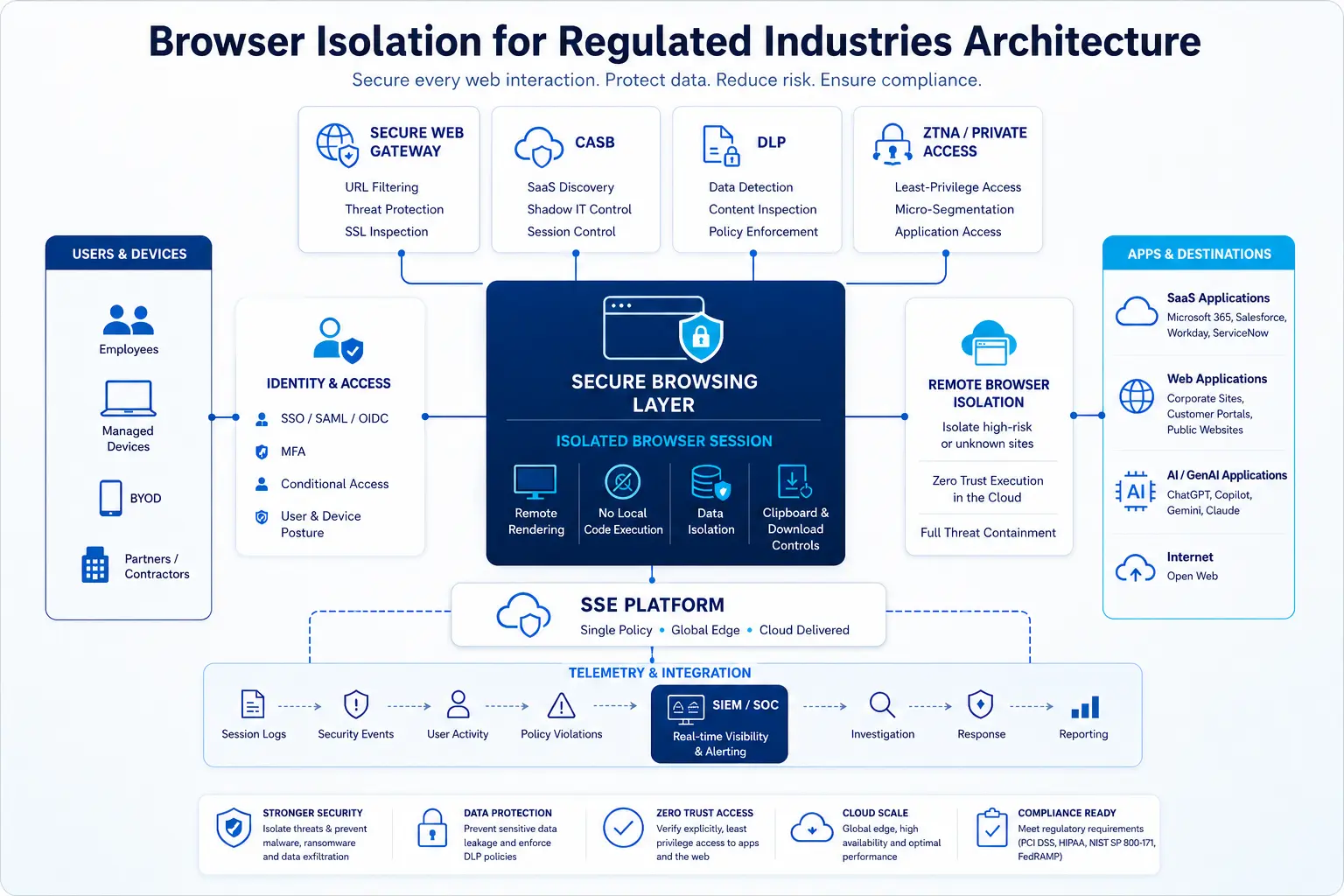
अनुपालन मैपिंग पूरी होने के बाद, अगला चरण यह तय करना है कि ब्राउज़र आइसोलेशन आपके मौजूदा सुरक्षा ढांचे में कैसे फिट बैठता है। आइसोलेशन अकेले काम नहीं करता — इसे secure web gateway नीतियों, डीएलपी इंजन, सीएएसबी नियंत्रण, पहचान प्रदाताओं और एसआईईएम बुनियादी ढांचे के साथ एकीकृत होना चाहिए।
स्वास्थ्य सेवा परिदृश्य — साझा क्लिनिकल वर्कस्टेशन। एक अस्पताल में नर्सिंग स्टेशनों और चिकित्सक कार्यालयों में 2,000 साझा लॉगिन वर्कस्टेशन हैं, जो सभी बाहरी वेब ट्रैफ़िक को SWG एकीकृत ब्राउज़र आइसोलेशन के माध्यम से रूट करते हैं। आंतरिक EHR एक्सेस आइसोलेशन को बायपास करता है (यह पहले से ही ट्रस्ट बाउंड्री के भीतर है), लेकिन कोई भी बाहरी साइट — फार्मा संदर्भ डेटाबेस, बीमा पोर्टल, सतत शिक्षा प्लेटफॉर्म — एक आइसोलेटेड सेशन में लोड होती है। DLP नीतियां किसी भी डाउनलोड की अनुमति देने से पहले आइसोलेशन लेयर में सामग्री की जांच करती हैं, जिससे रोगी सूचियों को व्यक्तिगत ईमेल या क्लाउड स्टोरेज में निर्यात करने के प्रयासों को रोका जा सके। सेशन रिकॉर्डिंग HIPAA ऑडिट ट्रेल आवश्यकताओं के लिए SIEM को डेटा प्रदान करती हैं।
वित्तीय परिदृश्य — ट्रेडिंग डेस्क और शाखा बैंकिंग। एक मध्यम स्तर की ब्रोकरेज कंपनी ट्रेडिंग फ्लोर वर्कस्टेशनों पर सभी गैर-व्हाइटलिस्टेड बाहरी ब्राउज़िंग को अलग रखती है। SWG नीति स्वीकृत वित्तीय डेटा टर्मिनलों और आंतरिक ऐप्स तक सीधी पहुँच की अनुमति देती है, लेकिन कोई भी बाहरी शोध साइट, समाचार आउटलेट या विज्ञापन समर्थित पृष्ठ अलग से प्रदर्शित होता है। क्लिपबोर्ड नियंत्रण अलग सत्र से स्थानीय डेस्कटॉप पर डेटा की कॉपी-पेस्ट को रोकते हैं। यह PCI DSS नेटवर्क विभाजन आवश्यकताओं को पूरा करता है, साथ ही व्यापारियों को उनके आवश्यक शोध उपकरणों का उपयोग करने की अनुमति भी देता है। कार्ड भुगतान संसाधित करने वाले शाखा कार्यालयों के लिए, भुगतान प्रसंस्करण एप्लिकेशन का अलगाव यह सुनिश्चित करता है कि मैजकार्ट शैली के स्क्रिप्ट इंजेक्शन हमलों को रोका जा सके।
सरकारी परिदृश्य — अवर्गीकृत नेटवर्कों पर OSINT विश्लेषण। एक खुफिया विश्लेषक NIPRNet पर एक पृथक ब्राउज़र सत्र के माध्यम से विदेशी होस्ट किए गए OSINT स्रोतों — समाचार साइटों, सोशल मीडिया प्लेटफॉर्मों, दस्तावेज़ साझाकरण सेवाओं — तक पहुँच प्राप्त करता है। अलगाव परत निष्पादन योग्य सामग्री को हटा देती है, मैलवेयर स्कैनिंग पास होने तक फ़ाइल डाउनलोड को अवरुद्ध करती है, और विश्लेषक को अनजाने में CUI प्रोसेसिंग वातावरण में दुर्भावनापूर्ण जावास्क्रिप्ट डालने से रोकती है। चूंकि विश्लेषक की पहचान और सत्र मेटाडेटा SIEM को भेजे जाते हैं, इसलिए प्रत्येक पहुँच को लॉग किया जाता है और NIST 800 171 मूल्यांकन उद्देश्यों के लिए ऑडिट किया जा सकता है।
चरण 3: नीति विन्यास और कार्यान्वयन
प्रभावी कार्यान्वयन के लिए जोखिम-स्तरीकृत दृष्टिकोण अपनाया जाता है, न कि पूरी तरह से या बिल्कुल भी नहीं वाला परिनियोजन।
टियर 1 — उच्च जोखिम, उच्च अनुपालन प्रभाव वाले सत्र। उन परिदृश्यों के लिए सर्वप्रथम अलगाव लागू करें जिनमें सुरक्षा उल्लंघन होने पर सबसे गंभीर विनियामक परिणाम हो सकते हैं: रोगी पोर्टल तक पहुँचने वाले साझा नैदानिक कार्यप्रणालियाँ, सीडीई में भुगतान पृष्ठ सत्र, और अवर्गीकृत बाहरी साइटों तक पहुँचने वाले विश्लेषक कार्यप्रणालियाँ। ये छोटे उपयोगकर्ता समूह हैं जिनमें अनुपालन संबंधी जोखिम बहुत अधिक है।
टियर 2 — व्यापक कार्यबल बाहरी ब्राउज़िंग। विनियमित क्षेत्रों में सभी उपयोगकर्ताओं के लिए सामान्य बाहरी वेब एक्सेस तक आइसोलेशन का विस्तार करें। यहीं पर एसएसई प्लेटफॉर्म के साथ एकीकरण का लाभ मिलता है — एक एकल पॉलिसी इंजन यूआरएल श्रेणी, उपयोगकर्ता जोखिम स्कोर और डिवाइस स्थिति के आधार पर आइसोलेशन, एसडब्ल्यूजी या सीधे एक्सेस के माध्यम से ट्रैफ़िक को रूट कर सकता है। 2025 वेरिज़ोन डीबीआईआर इस बात को पुष्ट करता है कि यह क्यों महत्वपूर्ण है: बुनियादी वेब एप्लिकेशन हमलों में से 88% में क्रेडेंशियल चोरी किए गए थे, और इनमें से कई क्रेडेंशियल ब्राउज़र आधारित आक्रमण वैक्टर के माध्यम से वितरित इन्फोस्टीलर मैलवेयर से उत्पन्न हुए थे।
तीसरा स्तर — अनियंत्रित डिवाइस और ठेकेदारों की पहुंच। ठेकेदार, यात्रा करने वाले कर्मचारी और BYOD उपयोगकर्ता जो व्यक्तिगत उपकरणों से विनियमित अनुप्रयोगों का उपयोग करते हैं, वे सबसे कठिन पहुंच नियंत्रण समस्या का प्रतिनिधित्व करते हैं। रिवर्स प्रॉक्सी या क्लाइंटलेस आर्किटेक्चर के माध्यम से प्रदान किया गया ब्राउज़र आइसोलेशन, इन उपयोगकर्ताओं को अनियंत्रित एंडपॉइंट पर कोई डेटा संग्रहीत किए बिना अनुप्रयोगों के साथ इंटरैक्ट करने की अनुमति देता है। यह विशेष रूप से स्वास्थ्य सेवा क्षेत्र में प्रासंगिक है, जहां यात्रा करने वाली नर्सें अस्पताल द्वारा जारी किए गए साझा टैबलेट से EHR सिस्टम तक पहुंचती हैं, और सरकारी क्षेत्र में, जहां ठेकेदार व्यक्तिगत लैपटॉप से CUI से संबंधित सिस्टम तक पहुंच प्राप्त करते हैं।
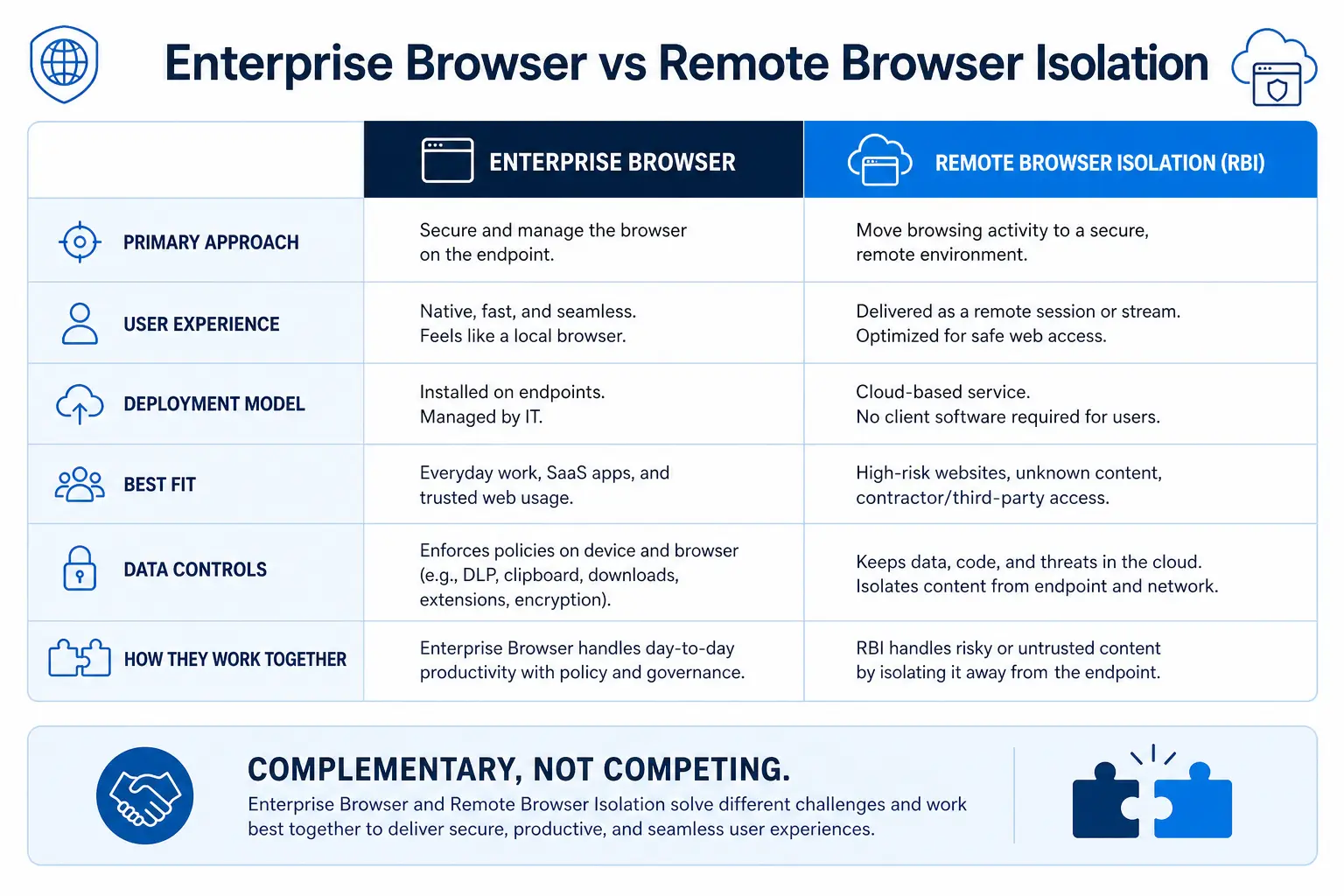
Skyhigh Security इसका remote browser isolation एक एकीकृत एसएसई प्लेटफॉर्म के हिस्से के रूप में एसडब्ल्यूजी, सीएएसबी और डीएलपी के साथ एकीकृत होता है - जिससे तीनों स्तर एक ही पॉलिसी इंजन और ऑडिट ट्रेल को साझा कर सकते हैं।
सफलता का मापन: लेखा परीक्षकों के लिए महत्वपूर्ण मापदंड
मापने योग्य परिणामों के बिना ब्राउज़र आइसोलेशन को लागू करना बिना सबूत के सुरक्षा निवेश है - और लेखा परीक्षकों को सबूत चाहिए होते हैं।
एंडपॉइंट डेटा अवशेष में कमी। आइसोलेशन से पहले, विनियमित वर्कस्टेशनों का बेसलाइन स्कैन करके ब्राउज़र कैश में मौजूद संवेदनशील डेटा (स्वास्थ्य सेवा में PHI, वित्त में CHD, सरकारी क्षेत्र में CUI मार्कर) की जांच करें। आइसोलेशन लागू होने के बाद, दोबारा स्कैन करें और कमी को मापें। लक्ष्य है कि आइसोलेटेड सेशन में स्थानीय ब्राउज़र आर्टिफैक्ट्स में विनियमित डेटा शून्य हो।
ऑडिट लॉग की पूर्णता। प्रत्येक पृथक सत्र में एक लॉग प्रविष्टि उत्पन्न होनी चाहिए जिसमें उपयोगकर्ता की पहचान, गंतव्य यूआरएल, सत्र की अवधि, डेटा स्थानांतरण क्रियाएं (अपलोड, डाउनलोड, क्लिपबोर्ड, प्रिंट) और नीतिगत कार्रवाइयां (ब्लॉक, अनुमति देना, पृथक करना) दर्ज हों। इन लॉग फ़ील्ड को विशिष्ट नियामक आवश्यकताओं से मैप करें — HIPAA ऑडिट नियंत्रण (§164.312(b)), PCI DSS आवश्यकता 10 (लॉग और मॉनिटर), और NIST 800 171 AU परिवार नियंत्रण।
वेब जनित वाहकों से होने वाली घटनाओं में कमी। मैलवेयर घटनाओं, फ़िशिंग क्लिक उल्लंघनों और ड्राइव-बाय डाउनलोड घटनाओं को आइसोलेशन तैनाती से पहले और बाद में ट्रैक करें। वेरिज़ोन 2025 DBIR ने पाया कि सभी उल्लंघनों में तृतीय पक्ष की भागीदारी बढ़कर 30% हो गई है, जो पिछले वर्ष की तुलना में दोगुनी है। आइसोलेशन तृतीय पक्ष वेब सामग्री को स्थानीय एंडपॉइंट पर चलने से रोककर इस जोखिम को सीधे कम करता है।
अनुपालन संबंधी समस्याओं के समाधान की दर। यदि आपके हालिया HIPAA जोखिम विश्लेषण, PCI DSS ROC, या NIST 800 171 मूल्यांकन में ब्राउज़र से संबंधित कमियां पाई गई हैं — जैसे कि ट्रांज़िट में एन्क्रिप्टेड डेटा का न होना, वर्कस्टेशन नियंत्रणों का अभाव, नेटवर्क विभाजन का अपर्याप्त होना — तो ट्रैक करें कि इनमें से कितनी कमियों को आइसोलेशन के माध्यम से हल किया गया है। इससे CISO को बोर्ड को रिपोर्ट करने के लिए एक ठोस ROI आंकड़ा मिलता है।
उपयोगकर्ता अनुभव के आधारभूत मापदंड। तैनाती से पहले और बाद में पेज लोड होने का समय, सेशन छोड़ने की दर और हेल्पडेस्क टिकटों की संख्या मापें। यदि अलगाव आपातकालीन कक्ष में चिकित्सक की दवा परस्पर क्रिया डेटाबेस तक पहुँचने की क्षमता को कम करता है, या व्यापारी की वास्तविक समय अनुसंधान तक पहुँच को धीमा करता है, तो इसका उपयोग प्रभावित होगा और उपयोगकर्ता ऐसे वैकल्पिक उपाय खोज लेंगे जो नियंत्रण को पूरी तरह से कमजोर कर देंगे।
नियमबद्ध ब्राउज़र आइसोलेशन परिनियोजन में आम गलतियाँ
आइसोलेशन को डेटा सुरक्षा परियोजना के बजाय नेटवर्क सुरक्षा परियोजना के रूप में देखना। विनियमित उद्योगों के लिए ब्राउज़र आइसोलेशन का मूल उद्देश्य विनियमित डेटा — PHI, CHD, CUI — को उन स्थानों तक पहुँचने से रोकना है जहाँ उसे नहीं पहुँचना चाहिए। यदि आपका कार्यान्वयन अनुपालन, गोपनीयता और डेटा सुरक्षा हितधारकों से इनपुट लिए बिना नेटवर्क टीम द्वारा किया जाता है, तो आप महत्वपूर्ण नीतिगत व्यवस्थाओं को नज़रअंदाज़ कर देंगे। अकेले स्वास्थ्य सेवा क्षेत्र में जोखिम के पैमाने पर विचार करें: HIPAA जर्नल (2026) के अनुसार, 2024 में 289 मिलियन व्यक्तियों की PHI उजागर हुई — इनमें से कई जोखिम ऐसे डेटा से संबंधित थे जो अनियंत्रित ब्राउज़र आधारित मार्गों के माध्यम से नियंत्रित वातावरण से बाहर निकल गए।
हर चीज़ को अलग-थलग करना और बुनियादी ढांचे पर अत्यधिक दबाव डालना। सभी वेब ट्रैफ़िक का पूर्णतः अलगाव सुरक्षित लगता है, लेकिन इससे विलंबता और लागत संबंधी समस्याएं उत्पन्न होती हैं जो इसके उपयोग को बाधित करती हैं। रक्षा विभाग का CBII कार्यक्रम मिशन के लिए आवश्यक न होने वाली ब्राउज़िंग को अलग करता है, सभी ट्रैफ़िक को नहीं - आंतरिक .mil और .gov साइटें अलगाव को पूरी तरह से दरकिनार कर देती हैं। यही तर्क लागू करें: बाहरी, अवर्गीकृत और उच्च जोखिम वाले ट्रैफ़िक को अलग करें; विश्वसनीय आंतरिक अनुप्रयोगों और अनुमोदित SaaS प्लेटफ़ॉर्म तक सीधी पहुँच की अनुमति दें।
तैनाती के बाद अनुपालन दस्तावेज़ों को अपडेट न करना। ब्राउज़र आइसोलेशन जोड़ने से आपकी सुरक्षा सीमा बदल जाती है। यदि आपके PCI DSS स्कोप दस्तावेज़ में अभी भी पुराना आर्किटेक्चर दिखाया गया है, या आपके HIPAA जोखिम विश्लेषण में आइसोलेशन को एक नियंत्रण के रूप में शामिल नहीं किया गया है, तो आपके दस्तावेज़ों में एक कमी है जिसे ऑडिटर चिह्नित करेंगे। तैनाती के प्रत्येक चरण के साथ संबंधित दस्तावेज़ों को अपडेट किया जाना चाहिए।
डीएलपी एकीकरण की अनदेखी। अलगाव के बिना data loss prevention इससे सुरक्षा का झूठा एहसास पैदा होता है। यदि क्लिपबोर्ड और डीएलपी नियंत्रण सक्रिय नहीं हैं, तो चिकित्सक रोगी पोर्टल से व्यक्तिगत स्वास्थ्य जानकारी (PHI) की प्रतिलिपि बना सकता है और उसे पृथक सत्र के दौरान व्यक्तिगत ईमेल में पेस्ट कर सकता है। डीएलपी नीतियों को पृथक वातावरण के भीतर सामग्री की जांच करनी चाहिए - न कि केवल नेटवर्क निकास बिंदु पर।
सरकारी उपयोग के लिए FedRAMP द्वारा अधिकृत न किए गए समाधान का चयन करना। यह बात स्पष्ट प्रतीत होती है, लेकिन अक्सर तब होती है जब एजेंसियां व्यावसायिक आइसोलेशन टूल्स का परीक्षण करती हैं और उनकी अधिकृत स्थिति की पुष्टि नहीं करतीं। ऐसा समाधान जिसने आवश्यक प्रभाव स्तर पर 3PAO मूल्यांकन पास नहीं किया है, उसे विनियमित सरकारी कार्यभारों के लिए उपयोग नहीं किया जा सकता है - बस।