موارد
AI Tools Created a Security Gap Your Network Cannot See. Browser Controls Close It.
بقلم سارانغ وارودكار - مدير تسويق منتجات تقني أول
May 19, 2026 4 Minute Read
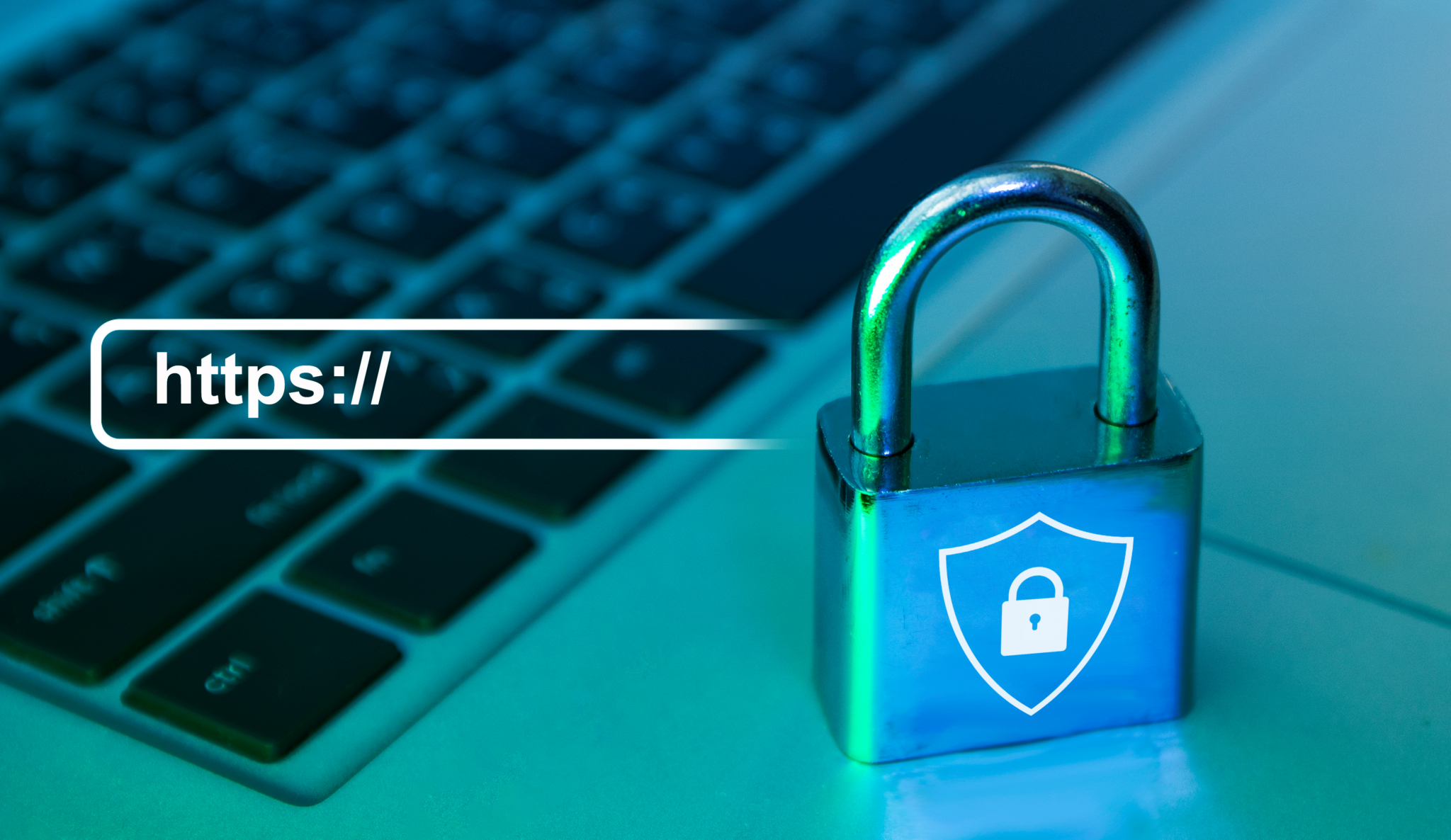
Generative AI adoption changed enterprise security in ways many organizations have yet to address. The risk did not come from sophisticated attacks. It came from a browser tab.
Employees spend much of their day in browsers, accessing CRM records, financial dashboards, shared documents, and AI tools such as ChatGPT, Microsoft 365 Copilot, and Gemini. The productivity gains are clear. So is the exposure.
AI applications introduced prompt fields that allow data to move directly from an employee’s clipboard to an external model. Messaging platforms such as Microsoft Teams Web and WhatsApp Web rely on persistent WebSocket connections that traditional network security tools cannot inspect. Modern SaaS applications also encrypt content before it reaches the proxy.
The result is a growing category of in session activity that existing network security controls cannot see or govern. Since this activity occurs inside the browser, protection must exist there as well.
The Browser Visibility Problem
Traditional network inspection relies on HTTP and HTTPS traffic flowing through a proxy. That model worked well for years, but two changes added further complexities.
First, modern SaaS applications increasingly use WebSocket connections. Apps like Microsoft Teams, WhatsApp, and Microsoft 365 Copilot create persistent browser sessions that bypass traditional proxy inspection and security teams lose visibility into session activity.
Second, end to end encrypted applications encrypt content before traffic reaches the proxy. The network security tools can see the connection but cannot inspect the payload.
This creates browser activity that sits outside the visibility of existing security controls.
The Risk of Everyday User Actions
Most data exposure incidents do not come from advanced attackers; they come from routine employee actions inside the browser, for example: copy-paste, screenshots, uploads, and AI prompts that occur after access is granted.
The most common in-session data exposure events share a pattern. They are routine actions that employees take during normal work, and they are difficult to detect or govern with tools that operate at the network edge.
Examples include:
- Prompt Leak – A finance employee pastes salary data into AI tools like ChatGPT for summarization. No file download occurs and no DLP alert triggers.
- Screenshot/Print – A contractor accesses customer records through a browser session and captures a screenshot on a personal device or attempts to take a printout. No audit trail exists.
- Clipboard Transfer – An employee copies financial data from an internal dashboard into personal webmail. The data never touches a file system.
These actions happen during normal work and are difficult for traditional controls to detect.
AI Introduces Urgency
Generative AI amplified this problem by creating browser prompt fields that accept any pasted content. Employees can submit source code, customer PII, financial data, legal documents, or M&A plans into external AI systems within seconds. Recent industry research found that 41% of employees regularly interact with AI web tools that have no governance controls governing what they paste or upload. For most organizations, no technical control exists between an employee’s clipboard and an external AI model.
For many organizations, no technical control exists between the employee clipboard and an external AI prompt field.
Compliance Pressure Is Increasing
Regulations already require technical safeguards for sensitive data.
General Data Protection Regulation (GDPR) Article 32 requires protection of personal data processing. The Health Insurance Portability and Accountability Act mandates safeguards for healthcare data. India’s Digital Personal Data Protection Act requires technical protections for personal data. Payment Card Industry Data Security Standard requires controls for cardholder data.
Auditors increasingly ask what prevents employees from copying sensitive data into external AI tools. Many organizations lack a clear technical answer.
Agentless Browser Controls: A New Approach to Closing This Gap
The market has developed several approaches to in-session browser security. Secure enterprise browsers deliver deep in-session controls by replacing the browser employees use with a managed corporate alternative. That model works for tightly controlled environments but introduces significant adoption friction, deployment timelines of three to six months, and structural coverage gaps for BYOD and contractor devices.
Agentless secure browser controls take a different approach. They enforce data protection policies inside active browser sessions through existing SSE infrastructure, without replacing the browser, without installing endpoint agents, and without requiring employees to change how they work. Coverage extends to Chrome, Edge, Firefox, and Safari on managed devices, BYOD endpoints, and contractor devices equally. Activation takes minutes, not months.
The result is enterprise browser security benefits without the adoption and cost trade-offs of browser replacement. The browser stays. The governance arrives.
What to Read Next
If the in-session activity described above sounds familiar in your environment, the fastest next step is learning how agentless secure browser controls address it.
Visit the Skyhigh Secure Browser Controls product page to see how the capability works, how it deploys through your existing SSE platform, and what coverage looks like across managed devices, BYOD, and contractor endpoints.
You can also request a personalized demo of Skyhigh’s Secure Browser Controls.
نبذة عن الكاتب

سارانج وارودكار
مدير مشروع تقني أول
سارانج وارودكار هو مدير تسويق منتجات متمرس يتمتع بخبرة تزيد عن 10 سنوات في مجال الأمن السيبراني، ويتمتع بمهارة في مواءمة الابتكار التقني مع احتياجات السوق. وهو يتمتع بخبرة عميقة في حلول مثل CASB وDLP والكشف عن التهديدات القائمة على الذكاء الاصطناعي، مما يؤدي إلى استراتيجيات مؤثرة في السوق وإشراك العملاء. سارانج حاصل على ماجستير في إدارة الأعمال من معهد IIM بنغالور ودرجة الهندسة من جامعة بيون، ويجمع بين الرؤية التقنية والاستراتيجية.
مضامين ذات صلة


المدونات الرائجة
Securing the New Normal: Why Universal Zero Trust is Essential in the Age of AI
Sriram Krishnamurthy September 30, 2026
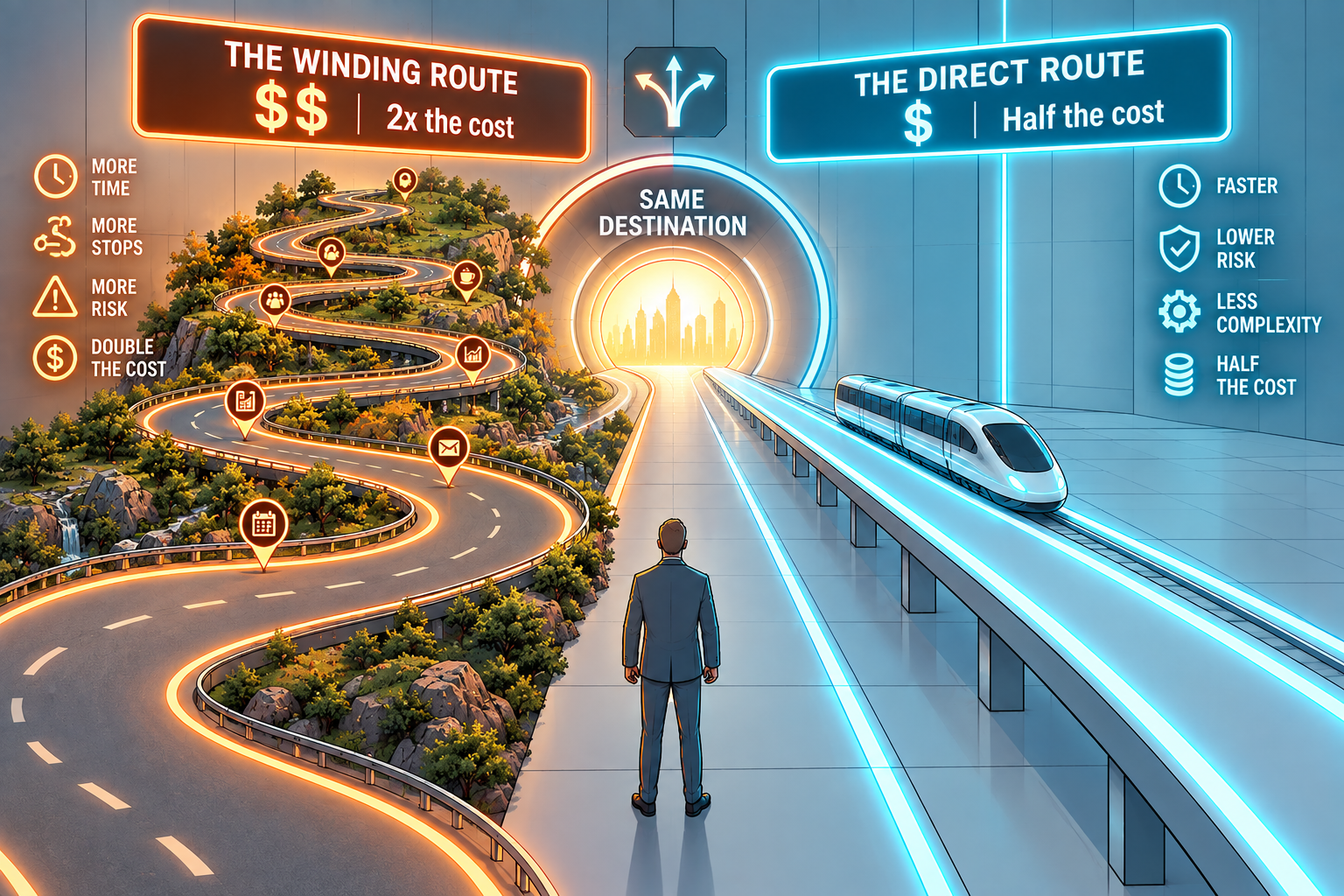
Work is Hybrid. Why Are You Paying Double for a Cloud Tax on the Office?
Mike Smart September 24, 2026
We Can’t Stop the AI Race. We Can Make It Safer and More Secure.
Thyaga Vasudevan September 15, 2026
AI Is Changing Your Data Risk. DSPM Puts You Back in Control.
Megha Shukla September 4, 2026
Why Customers Love Mowgli: The IKEA Effect in Cybersecurity
Thyaga Vasudevan August 13, 2026