리소스
Skyhigh Security : 2026년, 인공지능이 기업 보안의 새로운 청사진을 강요하는 해
Thyaga Vasudevan - 제품 담당 부사장
2025년 12월 12일 7 분 읽기

기업들이 2026년을 맞이하면서 논의의 초점이 빠르게 전환되고 있다. 지난 10년은 디지털 전환으로 정의되었습니다. 다음 10년은 AI 전환이 될 것입니다. 그러나 이러한 변화는 대규모 언어 모델을 도입하거나 내부 AI 코파일럿을 출시하는 것만큼 간단하지 않습니다. 조직이 운영되는 방식, 데이터를 보호하는 방식, 그리고 혁신과 신뢰 및 안전 사이의 균형을 맞추는지에 대한 재고찰이 필요합니다..
아키텍처, 제품, 보안 연구 전반에 걸쳐 이미 몇 가지 주제가 부상하고 있습니다. 다음은 올해를 형성할 Skyhigh Security .
1. 디지털 전환을 넘어: 2026년, 인공지능 전환의 해로
2026년, 기업들은 인공지능 도입이 기술 경쟁이 아니라 운영적 전환임을 깨닫게 될 것입니다. 직원들은 거버넌스가 따라잡을 수 없을 정도로 빠르게 AI 도구를 사용하고 있으며, 강력한 데이터 보호가 없다면 조직은 어떤 민감한 정보가 공유되고, 어디로 이동하며, 어떻게 지속되는지에 대한 가시성을 상실하게 됩니다.
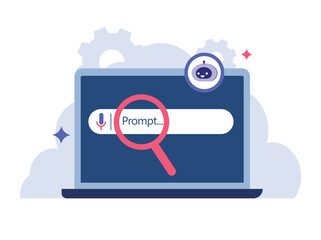 인공지능 모델, 코파일럿, 에이전트가 업무 흐름에 통합되면서 중요한 현실이 드러난다: 인공지능은 단지 상호작용하는 데이터만큼 안전하고 정확하다기존 보안 시스템은 트래픽을 감지할 수 있지만, AI 시스템이 소비하고 이에 따라 행동하는 콘텐츠, 민감도, 계보 또는 주권적 요구사항은 파악하지 못합니다.
보안 솔루션은 이제 다음을 이해해야 합니다:
- 어떤 데이터가 프롬프트에 입력되는지 및 입력되어야 하는지 여부
- 행위적 인공지능 시스템이 의도를 해석하고 자율적 결정을 내리는 방식
- MCP 또는 API 기반 워크플로가 접근, 이동 또는 생성할 수 있는 콘텐츠의 범위
- 민감한 데이터 또는 주권적 데이터가 외부 모델로 전송되는지 여부
- 인공지능이 정보를 시간에 따라 저장, 유지 또는 재사용하는 방식
2026년에는 조직들이 안전한 AI 도입을 위해서는 접근 권한 보호를 훨씬 뛰어넘는 보안이 필요하다는 점을 인식하게 될 것입니다. 이는 다음과 같은 것을 요구합니다:
- 프롬프트 수준의 가시성 및 시행
- 상호작용 시점에서의 콘텐츠 분류
- 안전한 행동과 위험한 행동을 구분하는 의도 인식 제어
- 사용자를 대신하여 행동하는 행위적 인공지능 워크플로우를 위한 거버넌스
- 모델 입력값, 출력값 및 장기 보존에 대한 지속적인 감독
- 브라우저, SaaS, 클라우드, 온프레미스 및 AI 환경 전반에 걸친 통합 정책
성공하는 조직들은 AI 전환을 체계적이고 데이터 중심의 노력으로 삼을 것이다 AI가 통제되고 정확하며 규정을 준수하는 콘텐츠와만 상호작용하도록 보장할 것입니다. 그렇지 않은 조직들은 신뢰 문제, 정보 유출, 그리고 부실한 AI 결과로 고생할 것입니다.
2. 클라우드 보안의 비용, 복잡성 및 데이터 본국 반환이 2026년 아키텍처를 재편할 것이다
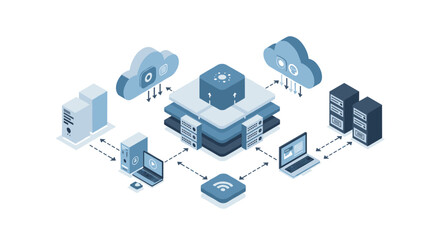
기업들은 클라우드 전용 검사가 더 이상 재정적·운영적으로 지속 가능하지 않다는 점을 깨닫고 있다. 클라우드 전용 검사는 더 이상 재정적·운영적으로 지속 가능하지 않다는 점을 깨닫고 있다. 2026년에는 네 가지 요인이 맞부딪칩니다:
- 인공지능 기반 데이터 증가로 인한 클라우드 검사 비용 상승
- 주권 및 규정 준수 규칙으로 인해 민감한 데이터가 지역 외부로 전송되는 것을 차단함
- 클라우드 도구가 검사하도록 설계된 것보다 훨씬 더 많은 콘텐츠와 트래픽을 생성하는 AI 워크로드
- 데이터 재반환 급증: 기업들이 민감하거나 대용량 워크로드를 통제, 비용 예측 가능성 및 성능 확보를 위해 온프레미스로 다시 가져옴
- 이러한 압박은 전환점을 만들어냅니다: 모든 검사를 중앙 집중식 클라우드 엔진을 통해 처리하는 것은 특히 규제 산업의 경우 비용이 너무 많이 들고, 위험성이 너무 높으며, 제한적이기 때문입니다.
하이브리드 보안은 2026년에 주류 모델이 될 것입니다. 기업들은 다음과 같은 것을 기대하게 될 것입니다:
- 로컬 또는 지역 내에서 통제를 시행하십시오 필요 시
- 클라우드 검사를 선택적으로 사용하십시오, 보편적으로가 아니라
- 유지 하나의 통합 정책 클라우드, 온프레미스, 브라우저, SaaS 및 AI 전반에 걸쳐
- 집행은 가장 준수도가 높고 비용 효율적인 곳에
하이브리드는 레거시가 아니다— 주권, 비용 효율성, AI 규모의 보안을 위한 새로운 아키텍처입니다.
3. 세상은 이제 브라우저 안에서 돌아간다 – 이를 보호하는 것은 절대 양보할 수 없다

2026년까지, 브라우저는 현대 기업의 주요 작업 공간으로 자리 잡았습니다. 현대 기업의 핵심 작업 공간으로 자리 잡았습니다. SaaS 도입, 클라우드 전환, 그리고 AI 어시스턴트의 급속한 확산으로 인해 비즈니스 활동, 협업, 데이터 분석, 코드 생성, 문서 처리, 심지어 규제 대상 워크플로까지 이제 기존 애플리케이션보다 브라우저 내에서 더 많이 수행됩니다.
이러한 변화는 브라우저를 기업 리스크의 진정한 최후의 관문으로. 민감한 콘텐츠는 브라우저 세션을 통해 열람, 편집, 복사, 업로드, AI 도구 내 붙여넣기, 통합 SaaS 생태계 전반에 걸친 공유가 이루어집니다. 결과적으로 브라우저는 더 이상 웹 애플리케이션의 전달 수단이 아닌, 데이터 거버넌스, AI 안전성, 사용자 행동 인사이트, 실시간 정책 시행의 핵심 통제 지점이 되었다.
이 새로운 현실은 다음과 같은 여러 가지 새로운 위험을 초래합니다:
- 민감한 콘텐츠와 직접 상호작용하는 AI 및 SaaS 코파일럿
- 기존 네트워크 또는 엔드포인트 제어를 우회하는 섀도우 AI 사용 또는 엔드포인트 제어
- 업로드, 다운로드, 복사/붙여넣기, 또는 화면 공유를 통한
- 규제 대상 또는 주권 데이터가 글로벌 클라우드 AI 서비스로 유입되는 현상
- 민감한 데이터를 취급하는 계약업체 및 제3자 사용자 관리되지 않는 기기를 통해
대기업들은 지속적으로 사용자 저항, 강제적인 브라우저 마이그레이션의 운영 부담, 비브라우저 워크플로우 또는 레거시 시스템에 대한 제한된 지원 범위 등의 과제를 지적합니다.
대부분의 조직에게 2026년의 최우선 과제는 새로운 브라우저를 도입하는 것이 아니라 기존에 의존하고 있는 브라우저를 중심으로 일관되고 확장 가능한 통제 체계를 구축하는 것이. 이는 다음을 보호하는 것을 의미합니다:
- 사용자가 사용자가 데이터와 상호작용하는 방식
- AI 도구가 콘텐츠를 소비하고 유지하는 방식
- SaaS 애플리케이션이 민감한 정보를 교환하고 저장하는 방법
- 관리되지 않거나 하이브리드 기기가 기업 워크로드에 접근하는 방식
기업들은 기존 브라우저 환경을 강화하고, 사용자 행동 및 콘텐츠 상호작용에 대한 실시간 통찰력을 제공하며, 제로 트러스트 원칙을 데이터가 사용되는 지점까지 직접 확장하는 보안 모델을 점점 더 많이 찾을 것입니다.
4. DSPM, 탐지에서 예방으로 진화하며 핵심 보안 계층으로 자리매김하다
2026년, DSPM은 가시성 도구에서 실시간 규정 준수 및 예방 계층으로 도약할 것입니다으로 도약할 것입니다. 이는 고조되는 지정학적 긴장, 확대되는 데이터 주권 규정, 그리고 전 세계적으로 밀려오는 새로운 개인정보 보호 규제의 물결에 힘입어 이루어질 것입니다.
인도의 개인정보보호법(DPDPA)이 2025년 공식 시행됨에 따라 기업들은 이미 더욱 엄격해진 데이터 거주지, 목적 제한 및 동의 요건에 적응하고 있다. 이들과 함께 유럽연합(EU)은 GDPR 및 AI법 규정에 따라 규제를 강화하고 있으며, 걸프협력회의(GCC) 국가들은 업데이트된 국가 개인정보 보호 프레임워크를 도입 중입니다. 싱가포르, 일본, 호주, 한국 등 아시아태평양(APAC) 지역 국가들도 자체적인 국경 간 데이터 이동 및 침해 통보 의무를 강화하고 있습니다. 미국에서는 10개 이상의 주에서 캘리포니아 소비자 개인정보 보호법(CCPA)과 유사한 법률을 제정하며 점점 더 규범적인 데이터 거버넌스 기대치를.
이러한 글로벌 배경 속에서 CIO와 CISO는 새로운 현실에 직면하고 있습니다: 준수는 더 이상 통제 사항을 문서화하는 것이 아닙니다. 그것은 ~에 관한 것이다 지속적으로 입증하고 있다 데이터가 어디에 있는지, 어떻게 사용되는지, 그리고 법, 계약, 지정학적 경계 내에서 유지되는지 여부.
DSPM은 다음을 가능하게 하기 때문에 필수적입니다:
- 클라우드, SaaS 및 온프레미스 데이터 저장소 전반에 걸친 통합 가시성
- 데이터 이동의 실시간 이해, 민감도 및 계보
- 지역 주권 및 목적 제한에 기반한 자동적 집행
- 감사관 및 규제 기관을 위한 지속적인 준수 감사인과 규제 기관을 위한 증거
- 노출, 오용 또는 국경을 넘는 유출에 대한 사후 발견이 아닌 사전 예방
AI 워크로드가 확대되고 하이브리드 아키텍처가 다시 주목받으면서, 조직들은 더 이상 DSPM을 수동적인 탐지 도구로 받아들이지 않을 것입니다. 그들은 정책을 시행하고, 위험한 이동을 차단하며, 위반이 발생하기 전에 이를 방지하는 DSPM을 요구할 것입니다.

2026년, DSPM은 기초적인 보안 및 규정 준수 통제 수단이 됩니다.— AI 전환을 가능케 할 뿐만 아니라 기업이 다가올 지정학적, 규제적, 주권 중심의 압박 물결 속에서 생존할 수 있도록 보장합니다.
5. 양자 시대 이후의 위험이 전략적 보안 계획에 진입하다 — 암호학이 이전되기 훨씬 전에
양자 저항 암호화는 2026년 기업 환경에서 널리 보급되지는 않겠지만, 조직들이 "지금 수집하고 나중에 복호화한다"는 전략적 함의를 인식함에 따라 양자 위험은 전략적 계획 수립의 주제로 부상할 것이다. 위협 행위자들은 이미 양자 컴퓨팅이 성숙해지면 복호화할 목적으로 암호화된 아카이브를 훔치고 있으며, 이로 인해 암호화 기술 자체가 아닌 장기 보존 데이터, 민감한 데이터, 또는 주권적 데이터가 진정한 노출 지점이 되고 있다.
2026년부터 준비를 시작하는 기업들은 알고리즘 마이그레이션보다는 데이터 생존성과 라이프사이클 거버넌스에 더 집중할 것이며, 여기에는 다음이 포함됩니다:
- 불필요한 데이터 보존 축소
- 그림자 또는 고아 아카이브 식별
- 장기적 민감성을 지닌 주권 또는 규제 대상 콘텐츠 표시
- 라이프사이클 정책 적용 및 접근 최소화
- SaaS, 브라우저, AI 프롬프트 및 제3자 간 데이터 이동 제어
 양자 암호화 이후(PQC) 대비는 미래 암호화 표준뿐만 아니라 지속적인 데이터 상태 및 수명 주기 관리에서 시작됩니다. 데이터 중심 거버넌스와 하이브리드 관리 방식을 채택한 조직은 알고리즘 업그레이드가 완료되기 훨씬 전에 장기적인 양자 위협 노출을 실질적으로 줄일 수 있습니다.
요약하자면: 2026년에는 PQC가 배포 우선순위가 되지 않을 것이나 규제 보존 의무, 주권 데이터 의무 또는 극도로 민감한 기록 보관소가 있는 산업에서는 PQC 준비가 계획 수립의 필수 요소가 됩니다. 그리고 가장 빠른 완화 방안은 분명합니다: 양자 컴퓨팅이 문제되기 전에 보유한 데이터를 관리하십시오.
핵심 요점: 보안은 네트워크 연결성뿐만 아니라 데이터와 애플리케이션을 보호해야 합니다.
2026년을 재편하는 힘들—AI 도입, 보안 솔루션의 비용 및 복잡성 증가, 데이터 본국 반환, 브라우저 중심 업무, 확대되는 글로벌 규정 준수, 신흥 PQC 위험—은 기업이 환경을 보호해야 하는 방식을 재정의하고 있습니다. AI는 혁신을 가속화하지만 데이터 거버넌스의 취약점을 드러내고 있다. 클라우드 경제성과 주권 압박은 조직을 하이브리드 아키텍처로 밀어붙이고 있으며, 실제 데이터가 존재하는 위치에 맞춰 적용되어야 합니다. 대부분의 작업이 브라우저 내에서 이루어짐에 따라, 사용자 상호작용, SaaS 워크플로우 및 AI 프롬프트 보안을 필수적으로 만든다. 전 세계적으로 규제가 정착됨에 따라 DSPM은 가시성에서 지속적인 규정 준수 시행으로 전환될 것입니다 전 세계적으로 규제가 정착됨에 따라. 그리고 PQC는 아직 초기 단계이지만, 조직들은 미래에도 견딜 수 있는 보호가 필요한 장기 보존 데이터에 대비해야 합니다.
성공하는 조직들은 보안을 데이터 규율로—정보가 클라우드, 온프레미스, 브라우저, SaaS, AI 워크플로우 전반에서 어떻게 사용되고, 어디로 이동하며, 얼마나 오래 유지되는지를 통제하는 것입니다.
저자 소개

티야가 바수데반
제품 담당 수석 부사장
티가 바수데반은 현재 Skyhigh Security 제품 담당 부사장으로 제품 관리, 디자인, 제품 마케팅 및 GTM 전략을 이끌고 있는 고에너지 소프트웨어 전문가입니다. 풍부한 경험을 바탕으로 SAAS 기반 엔터프라이즈 소프트웨어(Oracle, Hightail - 구 YouSendIt, WebEx, Vitalect)와 소비자 인터넷(Yahoo! Messenger - 음성 및 비디오) 분야의 제품 구축에 성공적으로 기여해 왔습니다. 그는 최종 사용자의 근본적인 문제와 사용 사례를 파악하는 프로세스에 전념하고 있으며, 조직이 위험과 기회 사이의 미묘한 균형을 찾도록 돕는 등 이러한 문제를 해결하기 위한 첨단 기술 제품 및 서비스의 사양과 개발을 주도하는 데 자부심을 갖고 있습니다.

인기 블로그
Securing the New Normal: Why Universal Zero Trust is Essential in the Age of AI
Sriram Krishnamurthy September 30, 2026
Work is Hybrid. Why Are You Paying Double for a Cloud Tax on the Office?
Mike Smart September 24, 2026
We Can’t Stop the AI Race. We Can Make It Safer and More Secure.
Thyaga Vasudevan September 15, 2026